Careers in Healthcare in Uganda
Uganda’s healthcare sector offers a wide range of career opportunities, from clinical roles directly caring for patients to administrative, public health, and research positions supporting the broader health system. Here’s an overview of building a career in Ugandan healthcare.
Clinical Career Paths
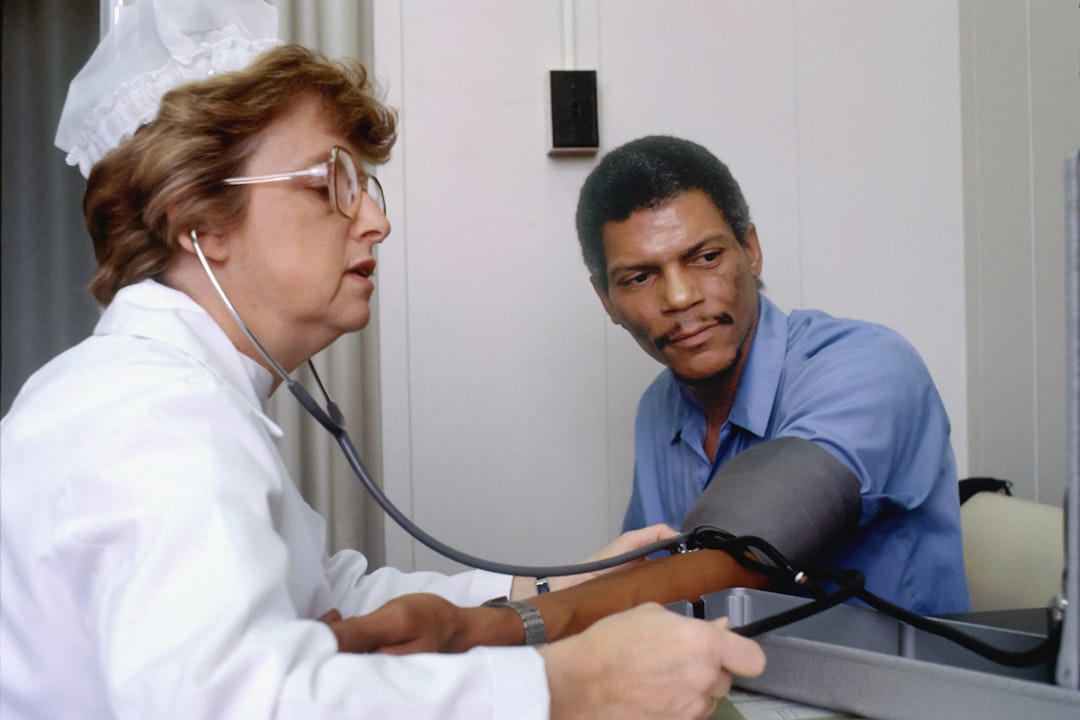
Clinical roles include doctors, clinical officers, nurses, midwives, and specialist medical practitioners, each requiring specific formal training, licensing, and ongoing professional development throughout your career in healthcare and medical services. These roles typically involve a long, rigorous training pathway, but offer strong long-term career stability and clear routes toward specialisation.
Nursing and Midwifery
Nursing and midwifery remain among the most consistently in-demand healthcare careers in Uganda, offering opportunities across public hospitals, private clinics, and increasingly, community and home-based care settings.
Pharmacy Careers
Pharmacists play an essential role across hospitals, clinics, and retail pharmacies, with career paths ranging from dispensing and patient counselling to pharmaceutical management and regulatory roles.
Public Health Careers
Beyond clinical work, public health careers focus on disease prevention, health education, and community health programmes, often working closely with government health ministries and international health organisations.
Laboratory and Diagnostic Careers
Medical laboratory professionals play a critical role in diagnosis and treatment, with growing demand for skilled laboratory technicians and scientists across both public and private healthcare facilities.
Healthcare Administration
Not all healthcare careers require clinical training – hospital administration, health records management, and healthcare operations roles offer opportunities for professionals with strong organisational and management skills.
Working With Health-Focused NGOs
Many international NGOs and development organisations focus specifically on health programmes, offering career opportunities in programme management, research, and technical health specialisation.
Qualifications and Licensing
Clinical healthcare roles require specific formal qualifications and, in most cases, registration with the relevant professional council before you can practise legally in Uganda – a process worth understanding early in your training.
Rural and Underserved Area Opportunities
Healthcare professionals willing to work in rural or underserved areas often find strong demand and, in some cases, additional incentives, while also gaining broad, hands-on clinical experience early in their careers. This experience often proves highly valuable later, since rural placements typically expose healthcare workers to a wider range of cases than they might see in a specialised urban facility.
Continuing Education in Healthcare
Healthcare is a field requiring lifelong learning, with most professional bodies requiring ongoing continuing education to maintain licensing and stay current with evolving medical knowledge and best practices. Budgeting time and resources for this ongoing education throughout your career is an essential, non-negotiable part of working in the field.
Private Practice and Entrepreneurship in Healthcare
Beyond employment in hospitals or clinics, some experienced healthcare professionals eventually establish their own private practices or clinics, offering greater autonomy and potentially stronger earning potential, though this path requires additional business and management skills alongside clinical expertise.
Growing Demand for Specialised Healthcare Skills
Beyond general practice, growing demand exists for specialised skills in areas like mental health support, geriatric care, and chronic disease management, reflecting evolving healthcare needs across Uganda’s population and offering additional avenues for specialisation within the field.
The Emotional Demands of Healthcare Work
Healthcare careers, while rewarding, can also be emotionally demanding, particularly in high-pressure clinical environments. Building strong support systems, both professional and personal, and developing healthy coping strategies are important considerations for long-term sustainability in this field.
Working With Health-Focused Technology
Emerging health technology solutions, including telemedicine and digital health record systems, are gradually creating new hybrid roles combining clinical knowledge with technical or digital skills, offering an additional avenue for healthcare professionals interested in innovation within the field.
Explore Healthcare Career Opportunities
Uganda’s healthcare sector offers meaningful, in-demand career paths for both clinical and non-clinical professionals. Browse the latest healthcare jobs in Uganda to find your next opportunity.

 0
0