How to Gain Work Experience Without a Job
One of the most frustrating parts of starting a career is the common requirement for “experience” even for entry-level roles. If you don’t yet have a full-time job, there are still genuine, effective ways to build real, demonstrable experience that strengthens your CV and your confidence.
Volunteer Work
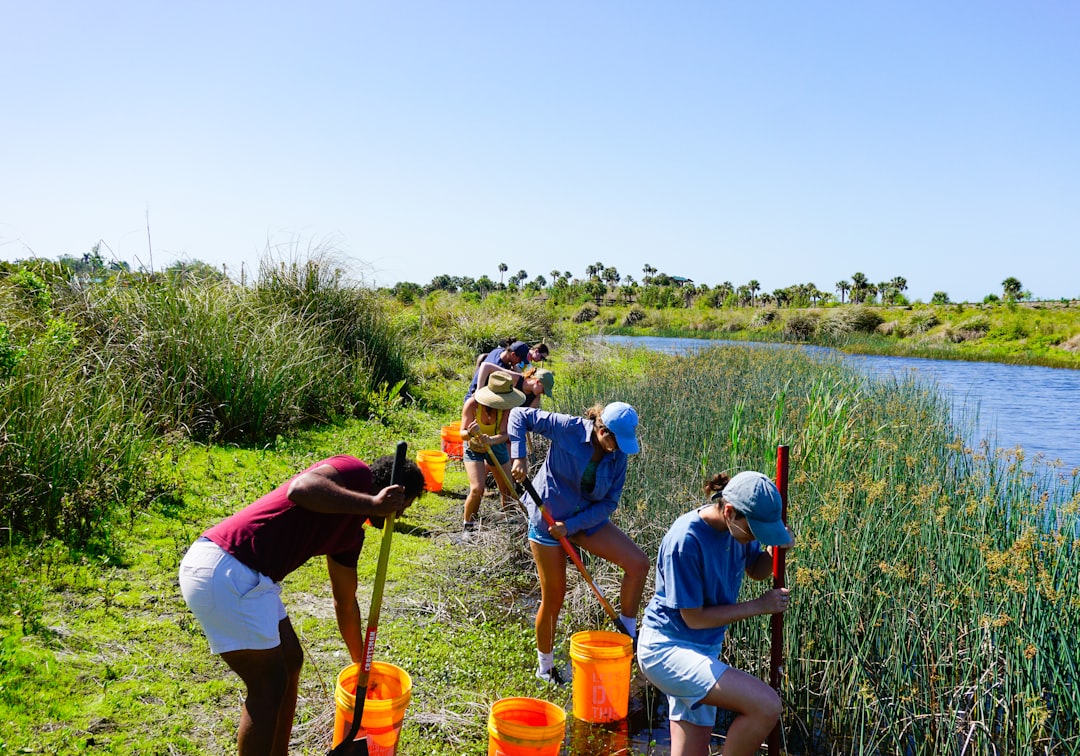
Volunteering with local organisations, community initiatives, or NGOs provides genuine, structured experience that employers value, particularly when it involves responsibilities relevant to your target career – coordination, communication, or project support. Look specifically for volunteer roles with defined responsibilities rather than purely occasional or informal involvement, since structured experience translates more clearly onto a CV.
Freelance and Gig Work
Taking on freelance projects, even small or low-paid ones, in areas like writing, design, digital marketing, or basic administrative support can build a genuine portfolio of real client work you can reference in interviews and on your CV. Online freelance platforms have made it increasingly accessible to find small projects, even for those just starting to build a portfolio.
Building a Portfolio Alongside Experience
Regardless of which route you take to build experience, keeping a simple portfolio – screenshots, brief descriptions, or samples of work you’ve completed – gives you concrete material to show potential employers, which is often more persuasive than simply describing your experience verbally.
Personal Projects
Building your own project – a small business idea, a blog, a community initiative, or a technical project – demonstrates initiative and practical skills, even without a formal employer attached to the work.
Online Courses With Practical Components
Many online courses include practical assignments or capstone projects that produce tangible work you can showcase, particularly for skills like digital marketing, data analysis, or basic coding.
Job Shadowing and Informational Interviews
Reaching out to professionals in your target field and asking to shadow them for a day, or simply requesting a short informational interview, can build valuable industry knowledge and connections, even without formal work experience.
Student Leadership and Extracurricular Activities
If you’re a current student or recent graduate, leadership roles in student organisations, clubs, or university projects demonstrate transferable skills like organisation, teamwork, and initiative – all relevant to employers evaluating entry-level candidates.
Contributing to Community or Religious Organisations
Taking on responsibilities within community groups, religious organisations, or local associations – event planning, financial management, communication – builds real, practical skills that translate directly to workplace settings.
Short-Term Contract or Casual Work
Even short-term, casual, or part-time work – regardless of whether it’s directly in your target field – builds a track record of reliability, professionalism, and work ethic that employers value when reviewing your application.
How to Present This Experience on Your CV
Frame volunteer work, freelance projects, and other non-traditional experience using the same structure you’d use for formal employment: describe your responsibilities and, where possible, specific outcomes or achievements from the work.
Be Confident About Your Experience
Don’t undersell experience simply because it wasn’t a formal, paid position. If you genuinely did the work and can speak to it confidently in an interview, it counts as real, valuable experience.
Documenting Your Experience as You Go
Whichever route you take to build experience, keep a simple record of what you accomplished, including specific outcomes and skills developed, as you go along. This makes it far easier to accurately and confidently describe this experience later, when writing your CV or preparing for interviews, rather than trying to reconstruct details from memory months afterward.
Combining Multiple Experience-Building Approaches
Many successful job seekers combine several of these approaches simultaneously – for example, volunteering part-time while also completing a relevant online course and taking on occasional freelance work. This combination often builds a more well-rounded, demonstrable skill set than relying on a single approach alone.
Turn Your Experience Into Opportunities
Once you’ve built a foundation of practical experience, you’re ready to apply with confidence. Browse the latest job vacancies in Uganda and highlight the real experience you’ve built along the way.

 0
0